A Festive Season of Wonder: How Holiday Play Sparks Cognitive Growth
As we approach the end of 2025 and wrap up our exploration of the “G – Growth” pillar of the GREATEST parenting roadmap, I want to extend heartfelt thanks to every parent, grandparent, caregiver, teacher, and supporter who has journeyed with me. Over the past eight months, we’ve explored how play nurtures children’s physical, social, emotional, and cognitive development—and how parents play an essential role in facilitating that growth.
Now we enter the most magical time of year.
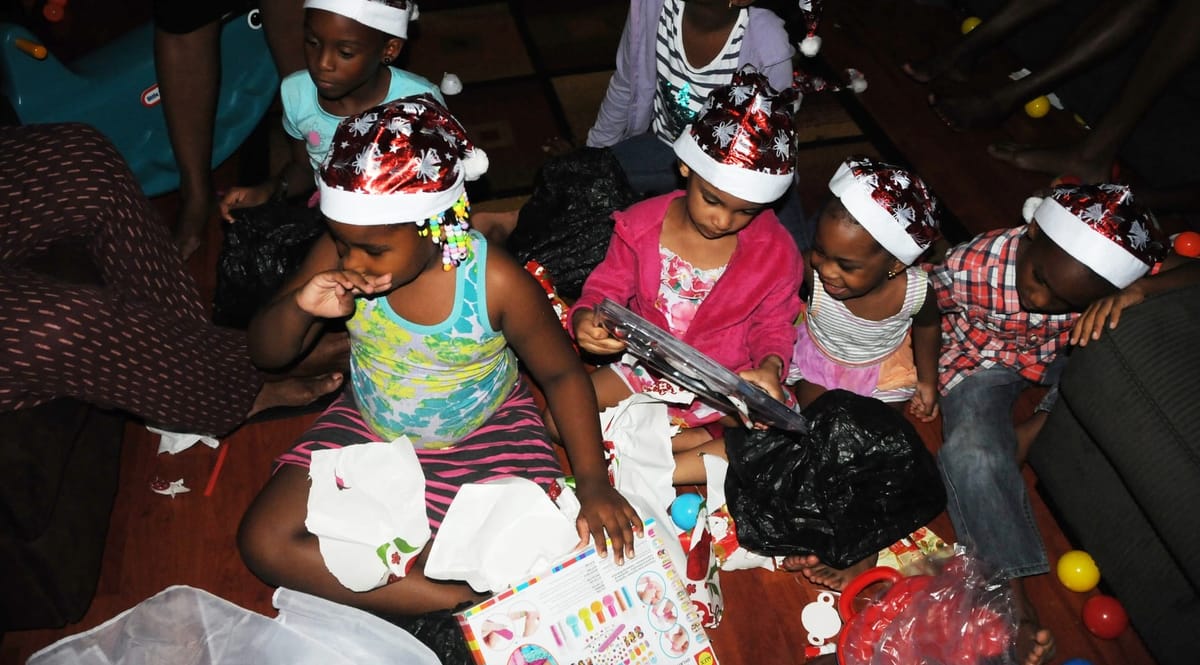
For young children especially, the holiday season becomes a sensory playground filled with colour, texture, sound, and discovery. While adults may feel the rush and stress of the season, children experience December with genuine wonder: twinkling lights, shiny ornaments, jingling bells, warm spices, new textures, festive music, and family rituals. All these elements combine into a rich environment for joyful learning.
This season is not just festive—it’s profoundly developmental.
The Cognitive Magic of Holiday Sensory Experiences
Children first learn about the world through their senses—long before academic instruction begins. The holiday season naturally amplifies sensory opportunities, supporting several essential areas of cognitive development.
1. Attention and Memory Development
When a child stares at a sparkling Christmas tree or watches candlelight dance, they are strengthening attention pathways. Repeated exposure to emotionally meaningful experiences enhances memory formation.
A 2023 study in Developmental Cognitive Neuroscience found that young children build stronger memory associations when sensory experiences are both emotionally positive and multisensory.¹ Holiday experiences provide the perfect backdrop for this kind of brain development.
2. Language and Cognitive Expansion
Holidays introduce a world of new vocabulary—gingerbread, ornaments, sorrel drink, mistletoe, wrapping paper. Touching new textures, tasting special foods, and naming unfamiliar objects all support:
- expressive language
- receptive language
- categorization
- early concept-building
Simple conversations during decorating, baking, and unwrapping gifts can spark rich language development.
3. Imaginative Thinking and Problem-Solving
Holiday stories and traditions ignite imagination. A child wondering how reindeer fly, how Santa comes down the chimney or pretending to cook after watching adults in the kitchen is practicing symbolic thinking—the foundation of problem-solving and creativity.
The LEGO Foundation’s 2022 report highlighted that imaginative play, especially when tied to emotionally meaningful experiences, strengthens flexible thinking and early problem-solving skills.²
4. Sensory Integration and Brain Connectivity
The holidays overflow with sensory input: tinsel, pine needles, velvet stockings, bells, choirs, spices, candlelight. These experiences support a child’s ability to:
- integrate sensory information
- regulate their responses
- form neural connections across systems
These are essential skills for emotional development and self-regulation
Holiday Learning in Action: Two Familiar Scenes
1: The Twinkling-Light Investigator
Three-year-old Mila stands mesmerized by the glowing holiday tree.
“Why does it shine?” she asks.
Her father kneels beside her and gently touches a bulb.
“It shines because electricity moves through a tiny wire,” he says.
“Electricity… like lightning?” she replies.
In that moment, Mila connects a familiar idea with a new one—an early form of scientific reasoning. Her curiosity, paired with her father’s responsive explanation, turns a simple moment into a powerful learning experience.
2: The Cookie Scientist
Six-year-old Liam helps his grandmother bake gingerbread cookies. After touching the dough, he giggles, “It feels sticky!”
Ten minutes later, as the cookies come out of the oven, “Why is it hard now?”
His grandmother explains how heat changes dough into a solid. Through that warm, joyful interaction, Liam explores early science concepts: states of matter, cause and effect, and prediction, while also building family memories.
Holiday Activities to Spark Curiosity at Home
Parents often feel pressure to create structured “learning moments” during school breaks, but the truth is that holiday traditions are already rich in cognitive opportunities. Here are simple, low-stress activities that nurture development and strengthen relationships.
1. Texture Treasure Hunt
In preparation for the festive season, there are many different objects around the house. Give your child a small basket and invite them to find:
- something soft
- something rough
- something shiny
- something red
- something bumpy
- something that makes a sound
Discuss what they found. This expands vocabulary, supports classification skills, and encourages sensory exploration.
2. Baking as Science
Every recipe can become a mini-lab. Children can:
- count ingredients
- compare sizes
- predict what will happen
- observe changes during baking
Ask questions such as:
“What do you think will happen when we mix this?”
“What changed after baking?”
These small prompts activate reasoning and early scientific thinking.
3. Light-and-Shadow Play
Using fairy lights or flashlights (always supervised), children can explore:
- shadows
- reflections
- brightness
- movement of light
These experiences build observation skills and foundational physics concepts.
4. Storytelling Family Traditions
Tell your child about your own childhood holidays:
- foods you loved
- games you played
- traditions that shaped you
Stories foster memory-building, identity development, and deep emotional connection.
5. Sound Discovery Station
Offer bells, bowls, crinkly paper, and soothing music. Encourage children to explore:
- loud vs. soft
- fast vs. slow
- high vs. low
Sound play strengthens auditory processing and early literacy pathways.
6. Curiosity Boxes
Wrap small household items, like a pinecone, small Christmas bells, or toy car, and let children shake, feel, and guess. Predictive thinking builds executive functioning and problem-solving skills.
The Heart of Holiday Learning: Connection
Even with all the sensory richness of the season, you are the most important ingredient in your child’s learning. Children grow best when they feel connected, supported, and emotionally safe.
A parent’s calm presence, patient explanations, and willingness to follow a child’s curiosity transform ordinary moments into lasting memories and powerful cognitive lessons.
Your engagement is the brightest light in your child’s holiday season as you learn to view the exciting environment through their lenses.
Thank You, and What Comes Next
As we close the G-Growth series for 2025, I would like to express deep gratitude to each of you for learning, reflecting, and growing alongside me. Together, we have explored how play supports children’s development in all its forms.
We will resume in early 2026 with the next pillar of the GREATEST roadmap:
“R – Relationship and Routine.”
A grounding and transformative theme that will guide us through the year ahead.
May your holidays be blessed and filled with warmth, wonder, and playful learning moments that linger in your child’s heart, which inspire growth long after the season ends.
References
¹ Reynolds, J. & Taatgen, N. (2023). Emotionally enhanced multisensory learning in early childhood: Neural pathways and memory outcomes. Developmental Cognitive Neuroscience.
² LEGO Foundation (2022). The Power of Play White Paper: Exploring the impact of playful learning on creative thinking and early problem-solving skills.