Closing the “R” in GREATEST: What Relationships and Routines Have Been Teaching Us
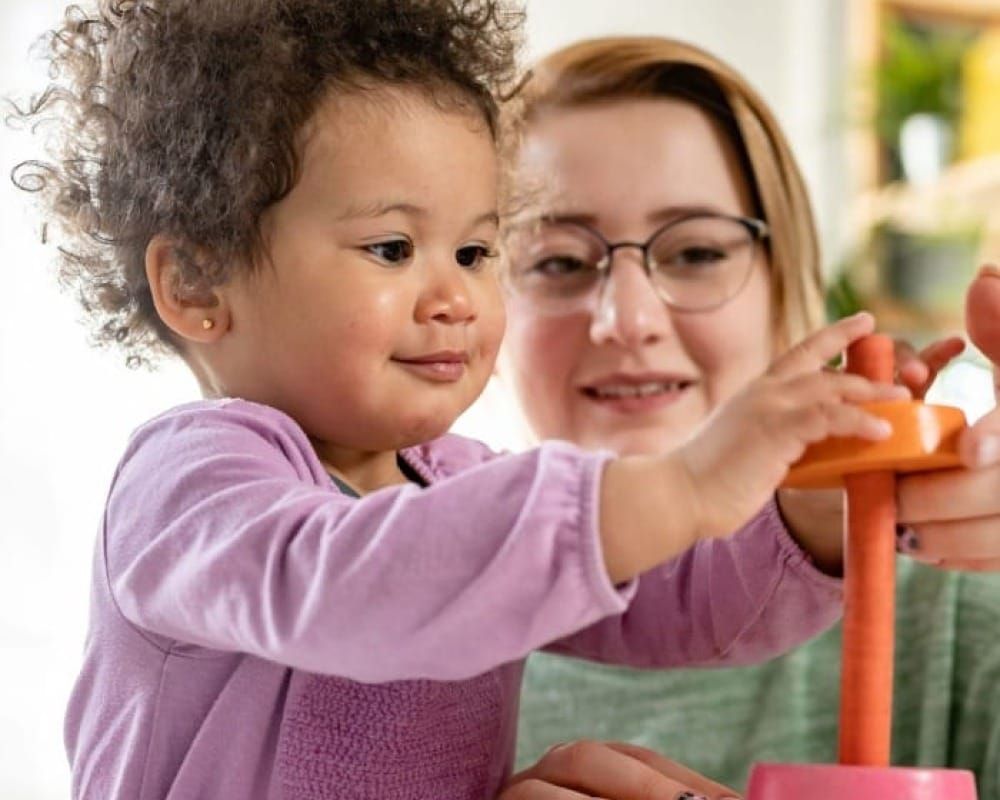
Over the past three months, we have explored the R in the Early Childhood Parenting GREATEST Roadmap: Relationships and Routines. We have considered why loving connections matter, why young children need emotional closeness, how routines create security, why some children struggle more with structure, and how family rituals can turn ordinary moments into meaningful memories.
As we close this section, it feels right to return to the thoughtful questions many parents have raised along the way. Beneath them is one shared concern: How do I love my child well while also guiding behaviour, encouraging independence, and creating calm at home?
Again and again, the answer is this: young children thrive when they are both securely connected and gently guided.
1. My child is always glued to me. Am I creating dependency or building security?
Most likely, you are building security—and that is a good thing.
When your toddler follows you from room to room, cries when you leave, or wants to be held just when you need both hands free, it may feel as if your child is becoming too dependent. But attachment research reminds us that young children are wired to seek closeness with trusted caregivers when they feel uncertain, tired, overwhelmed, or afraid. A child who reaches for you is not being manipulative; that child is saying, You are my safe place.¹
Security usually comes before independence. Children are more likely to explore when they trust that their caregiver is nearby, responsive, and reliable. So instead of pushing independence too quickly, support it in small, predictable steps.
You might say, “I’m right here while you play,” or “I’m going to the kitchen, and I’ll be back in one minute.” Avoid sneaking away, because that can increase anxiety. Simple games like peekaboo or hide-and-seek can also teach children that separation is temporary and connection remains.
2. Why does my child act worse with me than with other adults?
Because you may be their safest person.
Many children hold themselves together in childcare, at church, with relatives, or around less familiar adults. Then, when they return to the person they trust most, the tears, whining, resistance, or meltdowns come pouring out. It can feel personal, but often it is an emotional release. This is a compliment to you!
A common scenario: Mary picks up her four-year-old Joshua from preschool and hears glowing reports from his teacher. Ten minutes later, he is sobbing because she peeled his banana “the wrong way.” Instead of thinking, Why does he only do this with me? she reminds herself, He saved it all for me because I am a safe place. She sits beside him and says, “You had a lot happening today. I’m here now.”
A simple reunion ritual can help: a hug, a snack, a quiet ride home, or five minutes of undivided attention. Before correcting behaviour, name the feeling: “You’re frustrated. That was a long day. I’m here now.” Presence often calms before instruction can be heard.
3. How do I set respectful boundaries without threats?
The goal is to be warm and firm at the same time.
Threats may create quick compliance, but they can also increase fear, power struggles, and resentment. Respectful boundaries give children clear information about what is allowed, what comes next, and what help is available.
A helpful formula is: acknowledge the feeling, hold the limit, and offer an acceptable choice.
For example:
“I know you want to keep playing. But it is time to leave. You may hop to the door or hold my hand.”
“You are angry. But don’t throw the toys. You may squeeze this cushion.”
“You don’t want bath time. Bath is still next. Would you like a bubble bath or a shower?
The limit does not disappear because the child is upset. But your warmth tells the child, “I am not against you. I am helping you through this.” Consistency matters. Children feel safer when adults sound steady, clear, and predictable.
4. Is it normal for siblings to argue this much?
Yes, some sibling conflict in early childhood is normal. Young children are still learning how to share attention, toys, space, language, and power. The goal is not to eliminate conflict but to teach children how to manage it better.
Instead of rushing to decide who is right or wrong, slow the moment down. You might say, “You both want the truck,” or “You are both upset.” Then guide the next step; let them decide: taking turns, using a timer, trading toys, or choosing something else while waiting.
Try not to label one child as “the difficult one” and the other as “the victim.” Labels can deepen rivalry. Instead, notice cooperation and compliment: “You made space for your sister,” or “You solved that together.” Research on parent-guided sibling interventions suggests that when adults coach communication and problem-solving, sibling interactions can improve.²
5. Does saying no too often make me a mean parent?
No. Saying no does not make you mean. Clear limits are part of loving care.
Children need adults who protect safety, guide behaviour, and hold boundaries, even when they dislike those boundaries in the moment. The key is to make your “no” clear without making your whole parenting voice negative.
Some “no” responses are about safety: “No, you may not run into the road.” Some are calm boundaries: “No, I’m not buying that today.” Some really mean “not now”: “Not now. You may have a turn after lunch.”
Whenever possible, pair “no” with what the child can do: “No jumping on the sofa; you may jump on the mat.” This keeps guidance firm while preserving connection.
6. How do routines help my child feel safe, not controlled?
Routines decrease uncertainty; they help children feel safe. When children know what usually happens next—mealtime, bath, story, cuddle, bed—they do not have to spend as much energy guessing, resisting, or worrying. Research has linked consistent routines in early childhood with better socioemotional adjustment.³
The key is to make routines steady, not rigid. A routine should guide the day, not dominate it. Add small rituals of connection, such as a song, a prayer, a special phrase, or a goodbye hug, so the routine feels comforting rather than mechanical. Family routines and rituals are needed not only for time organisation but also for fostering meaning and belonging.⁴
As we close R in the GREATEST Roadmap, we can confidently say that relationships and routines belong together. Strong relationships help children feel safe enough to grow. Steady routines help them feel secure enough to cooperate, recover, and flourish.
Thank you for your thoughtful comments and questions throughout this section. Next, we begin E: Engagement and Expressions, where we will explore how young children participate, communicate, connect, and express who they are becoming.
References
1. Cassidy, J., Jones, J. D., & Shaver, P. R. (2013). Contributions of attachment theory and research: A framework for future research, translation, and policy. Development and Psychopathology, 25(4 Pt 2), 1415–1434. https://doi.org/10.1017/S0954579413000692
2. Tucker, C. J., Finkelhor, D., Turner, H., & Shattuck, A. M. (2021). Parenting programs to improve sibling interactions: A meta-analysis. Journal of Family Psychology, 35(5), 703–714. https://doi.org/10.1037/fam0000833
3. Selman, S. B., Distefano, R., Dilworth-Bart, J., & Brooks-Gunn, J. (2025). Child routines across preschool and associations with socioemotional adjustment. Journal of Family Psychology, 40(1), 25–36. https://doi.org/10.1037/fam0001299
4. Fiese, B. H., Tomcho, T. J., Douglas, M., Josephs, K., Poltrock, S., & Baker, T. (2002). A review of 50 years of research on naturally occurring family routines and rituals: Cause for celebration? Journal of Family Psychology, 16(4), 381–390. https://doi.org/10.1037/0893-3200.16.4.381