Healthy Beginnings Start Before Birth: Why Health Matters from Pregnancy Onward
T – Total Well-Being | The GREATEST Parenting Roadmap
We often talk about a child’s well-being as something that begins after birth: sleep routines, healthy meals, play, reading, good schools, and loving relationships. We celebrate first words and first steps and try to give children the best possible start.
These things matter. But a child’s body and brain begin developing long before birth. Pregnancy is part of the child’s earliest developmental story, and physical health continues to influence energy, behaviour, attention, relationships, and learning throughout childhood.
Under T – Total Well-Being, we are reminded that the body, brain, emotions, relationships, and ability to learn are deeply connected. Supporting children’s development therefore includes caring for physical health from pregnancy onward.
Well-Being Begins Before Birth
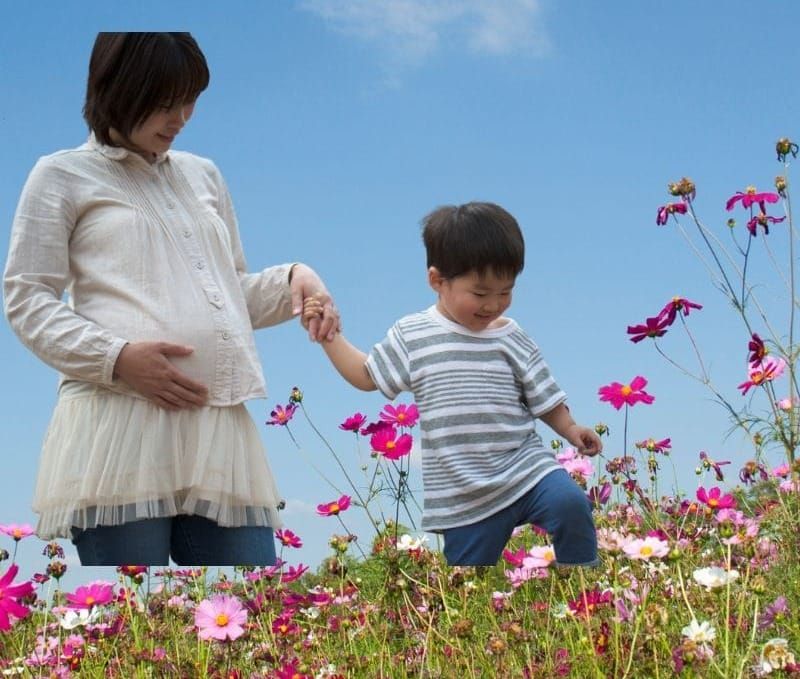
Pregnancy is one of the earliest environments in which development takes place. A baby’s brain begins forming in the womb, along with pathways that will later support movement, language, memory, attention, and self-control.
This makes prenatal care important for both mother and baby. Nutritious food, adequate rest, managing stress where possible, following medical advice, treating health conditions, and avoiding harmful substances such as tobacco, alcohol, and other drugs can all support a healthier pregnancy.
Regular prenatal care also gives health professionals opportunities to monitor blood pressure, blood glucose, nutrition, fetal growth, anaemia, infections, and other concerns. The World Health Organization recommends regular antenatal contacts so that problems can be identified and managed as early as possible.1
Not every pregnancy will be picture-perfect, and not every mother has equal access to care, nutritious food, rest, or other resources. The goal is not perfection. It is to seek appropriate support and make healthy choices as circumstances allow.
Consider Annya’s mother. She had a demanding job and was tempted to skip some third-trimester appointments. Her midwife encouraged her to keep them, explaining that regular visits could help identify concerns such as iron deficiency, rising blood sugar, or blood pressure changes. By continuing her appointments, Annya’s mother gave herself and her baby the benefit of regular monitoring and professional guidance.
What Happens to the Mother Matters to the Developing Baby
Research continues to show connections between maternal health during pregnancy and children’s later development. A major 2025 review examined 202 studies involving more than fifty-six million pregnancies. It found an association between maternal diabetes and an increased risk of several neurodevelopmental difficulties in children. The researchers also noted that more work is needed to understand the reasons for these links.2
These findings should not frighten parents. They point to a practical message: managing health conditions during pregnancy matters. Having diabetes, high blood pressure, obesity, anaemia, or another condition does not determine a child’s future. Appropriate medical care, treatment, balanced nutrition, rest, and professional guidance can help protect the health of both mother and baby.
And Then the Baby Is Born…
After birth, the connection between physical health and development continues. A well-rested, well-nourished child who has opportunities to move and play is better prepared to explore, interact, pay attention, and learn.
Physical health is therefore part of “readiness to learn.” When a child is tired, hungry, in pain, or unwell, behaviour may change before the child has the words to explain what is happening.
Three-year-old Jayden’s parents became frustrated when he started whining, refusing activities, and becoming upset over seemingly small things. “Everything is a battle,” his mother complained. After several restless nights, she noticed him rubbing his right ear. A doctor found a painful ear infection. Jayden was not simply being defiant; his behaviour was communicating discomfort that he could not yet explain clearly.
This does not mean every challenging behaviour is caused by a medical problem. It means that parents can stay curious and consider the body as well as the behaviour. Before assuming a child is lazy, difficult, or inattentive, ask whether tiredness, hunger, pain, illness, or another physical need could be influencing what you see. A simple health check can sometimes reveal what behaviour alone cannot.
Take a Child Health Pause
If your child’s mood, behaviour, energy, appetite, or learning changes suddenly, ask yourself:
Has my child been sleeping well?
Is my child eating and drinking normally?
Could there be pain or discomfort?
Have bowel or toilet habits changed?
Is there a persistent cough, fever, congestion, itching, or another symptom?
When was the last routine health check?
Is the change continuing long enough that I should speak with a health professional?
Notice patterns rather than trying to diagnose the problem yourself. If something seems unusual, persistent, or worrying, seek professional advice.
Healthy Bodies Support Active Learning
Regular well-child care matters even when a child appears healthy. In 2024, the World Health Organization emphasised that scheduled health visits can help monitor growth, development, nutrition, and physical well-being while also supporting parents in caring for their children.3
The GREATEST Roadmap reminds us that Total Well-Being is not a separate part of development. The same child brings the same body to the playground, the dinner table, the classroom, bedtime, and into our arms.
Our responsibility is not to create perfectly healthy pregnancies or perfectly healthy children. It is to notice, prevent what we can, seek help when needed, and respond with care rather than judgement.
A child’s well-being begins before birth and continues to be built day by day through healthcare, nourishment, rest, movement, safety, and loving relationships. When we care for physical health, we are also helping to build a solid foundation for development and learning.
References
1. World Health Organization. (2016). WHO recommendations on antenatal care for a positive pregnancy experience.
2. Ye, W., et al. (2025). Association between maternal diabetes and neurodevelopmental outcomes in children: A systematic review and meta-analysis of 202 observational studies comprising 56.1 million pregnancies. The Lancet Diabetes & Endocrinology, 13(6), 494–504.
3. World Health Organization. (2024). Improving the health and wellbeing of children and adolescents: Guidance on scheduled child and adolescent well-care visits.