R Is for Relationships: Why Emotional Growth Begins With Connection
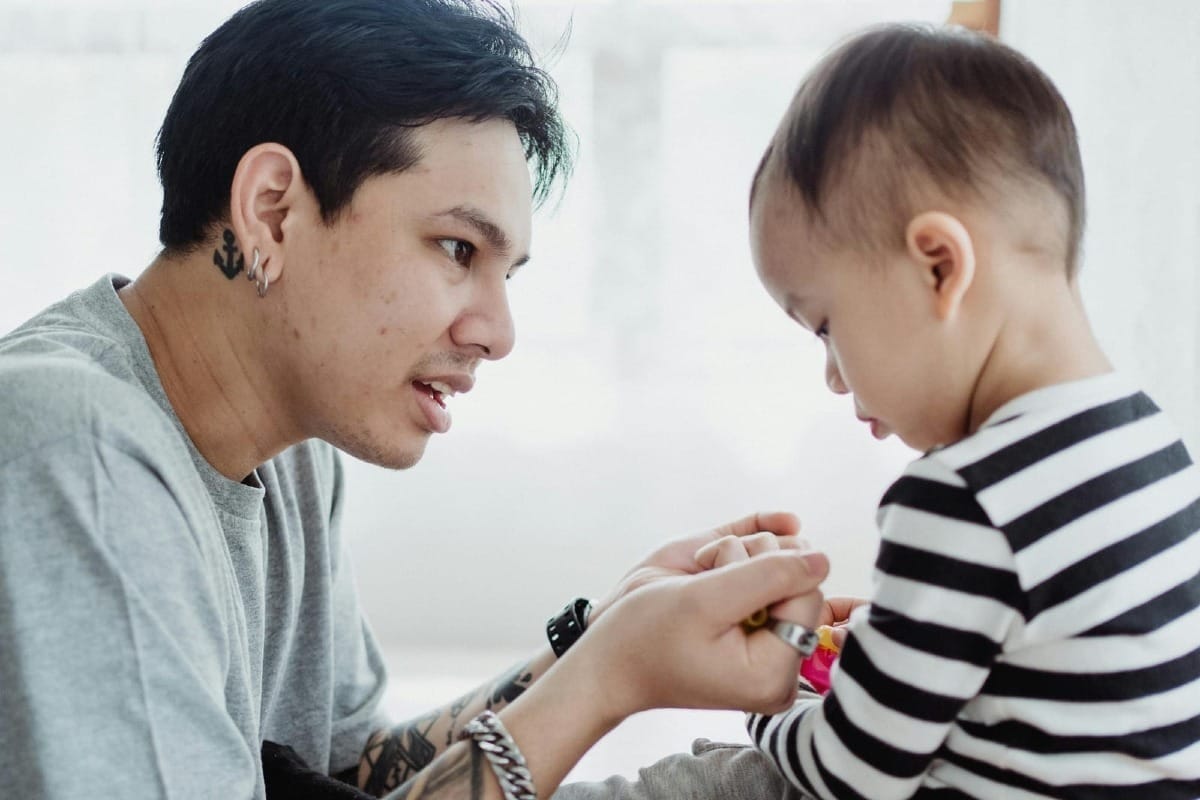
As we continue exploring the relationships aspect of the R pillar highlighted in the GREATEST parenting roadmap, we return to one simple truth:
Emotional growth does not happen in isolation. It happens in relationships.
Children do not develop emotional awareness, regulation, or resilience on their own. These capacities are shaped moment by moment through their relationships with the adults who care for them.
Before children can calm themselves, they need someone to calm with them.
Before they can trust the world, they must first trust their relationship.
Before they can manage emotions independently, they must experience consistent emotional safety.
This is why Relationships sit at the heart of the R pillar — they are inseparable from emotional development.
A Scenario Many Parents Recognise
You are trying to get out the door with your four-year-old by 8:45 a.m.
It’ is 7:38 a.m., and one school shoe is missing. Suddenly, the socks are “too tight.” Your phone buzzes.
A short video auto-plays; loud, bright, fast.
Your child sees and hears it.
Her face changes.
Her body stiffens.
And then the meltdown begins.
Crying.
Clinging.
Shouting, “NO SCHOOL!”
Refusing to move.
You’re thinking: We were fine five seconds ago.
But beneath the behaviour, three important things are happening.
First, her nervous system is overwhelmed. The noise, rush, and pressure collided at once. She is dysregulated and cannot calm herself.
Second, she is asking an attachment question:
“Are you still with me when I fall apart?”
Third, your response, more than your words, will become the emotional lesson.
If you take a breath, lower yourself to her level, soften your voice, and say:
“That startled your brain. I’m here. We’ll do this together.”
Her breathing slows. Her body softens.
Not because she suddenly became cooperative, but because she felt safe.
That is co-regulation.
That is secure attachment.
That is how emotional growth begins.
What the Research Shows
Research continues to confirm what many parents sense intuitively:
Relationships shape emotional development.
Three findings stand out:
1. Co-regulation builds self-regulation
Young children do not yet have the neurological capacity to regulate emotions independently. Repeated experiences of being soothed and guided by caregivers help them internalise these calming processes over time.¹
2. Secure attachment predicts stronger outcomes
Children who experience consistent, responsive care show greater resilience, empathy, and healthier stress responses. Secure attachment is connected to stronger social-emotional functioning across development.²
3. Responsiveness buffers stress
Warm, attuned caregiving protects children from chronic stress and supports healthy brain systems involved in emotional regulation.³
In simple terms:
Your relationship is not extra. It is foundational.
Emotional Growth Is Built Through Relationships
When children learn to understand feelings, manage frustration, and calm big emotions, they are not just learning skills. They are learning what relationships feel like.
Each emotionally responsive interaction teaches:
- My feelings make sense.
- I’m not alone when things are hard.
- Someone will help me when I feel out of control.
Over time, these experiences form a child’s emotional blueprint; their internal understanding of themselves and others.
A child learns emotional regulation because someone first regulated with them.
A child learns trust because someone consistently showed up.
A child learns cooperation because the relationship feels safe.
This is why emotional development and relationships cannot be separated.
Connection Is the Language of Relationship
Young children experience relationships primarily through connection, not conversation.
Connection looks like:
- Eye contact
- Tone of voice
- Physical closeness
- Shared attention
- Emotional presence
These moments may seem small, but they carry enormous weight.
When you connect before correcting, you strengthen trust.
When you validate feelings before setting limits, you deepen safety.
When you repair after a hard moment, you reinforce security.
Emotional security becomes the foundation for both emotional growth and healthy relationships.
From Managing Behaviour to Building Relationships
When parenting focuses only on behaviour, it quickly becomes exhausting.
But behaviour is often communication.
Behind resistance, withdrawal, or outbursts is often a relational need:
- Do you see me?
- Am I safe with you?
- Can I trust you when things are hard?
The R pillar invites a shift.
Instead of asking,
“How do I get my child to cooperate?”
We begin asking,
“What does my child need from me right now to feel secure?”
This shift does not remove boundaries; it makes them more effective. Limits delivered within safety are far more powerful than limits delivered through fear.
Characteristics of Emotionally Sensitive Parents
Emotionally sensitive parenting is not about being calm all the time. It is about returning to connection.
Emotionally responsive parents tend to:
- Notice emotional cues early
- Name feelings without shaming
- Stay present during emotional storms
- Hold limits without threatening the relationship
- Repair after rupture
- Prioritise connection over control
These patterns create a relational climate to allow emotional growth to flourish.
Practical Guidelines
To support healthy emotional and relational development:
Connect before you correct.
A brief moment of connection can shift everything.
Validate feelings first.
Validation builds safety; it does not remove boundaries.
Stay regulated when possible.
Your calm supports your child’s nervous system.
Repair when things go wrong.
Repair teaches resilience and trust.
Use routines to protect relationships.
Predictability lowers stress and strengthens connection.
Remember: behaviour is communication.
Emotions are information, not defiance.
Your child may not remember every rule or consequence.
But they will remember how they felt with you.
Did they feel safe when emotions were big?
Did they feel supported when they struggled?
Did they learn that relationships can hold hard moments?
Emotional growth is not something you lecture to children.
It is something they absorb through relationships.
And that is why R — Relationships — matters so deeply.
Stay with it. You are building something that lasts.
Footnotes
¹ Perry, N. B., Calkins, S. D., & Bell, M. A. (2023). Caregiver–child co-regulation and the development of self-regulation in early childhood. Developmental Review.
² Groh, A. M., Fearon, R. M. P., Bakermans-Kranenburg, M. J., & van IJzendoorn, M. H. (2022). Attachment and children’s socioemotional development. Child Development Perspectives.
³ Hostinar, C. E., Johnson, A. E., & Gunnar, M. R. (2023). Parent-child relationships as biological regulators of stress. Annual Review of Developmental Psychology