Expression Is Not Misbehaviour
This is the final post in the E: Engagement and Expression pillar of the GREATEST Early Childhood Parenting Roadmap. We explored children's many ways of communicating. Now we close this section with a misunderstood question: Is my child being rude, defiant, spoiled, or out of control?
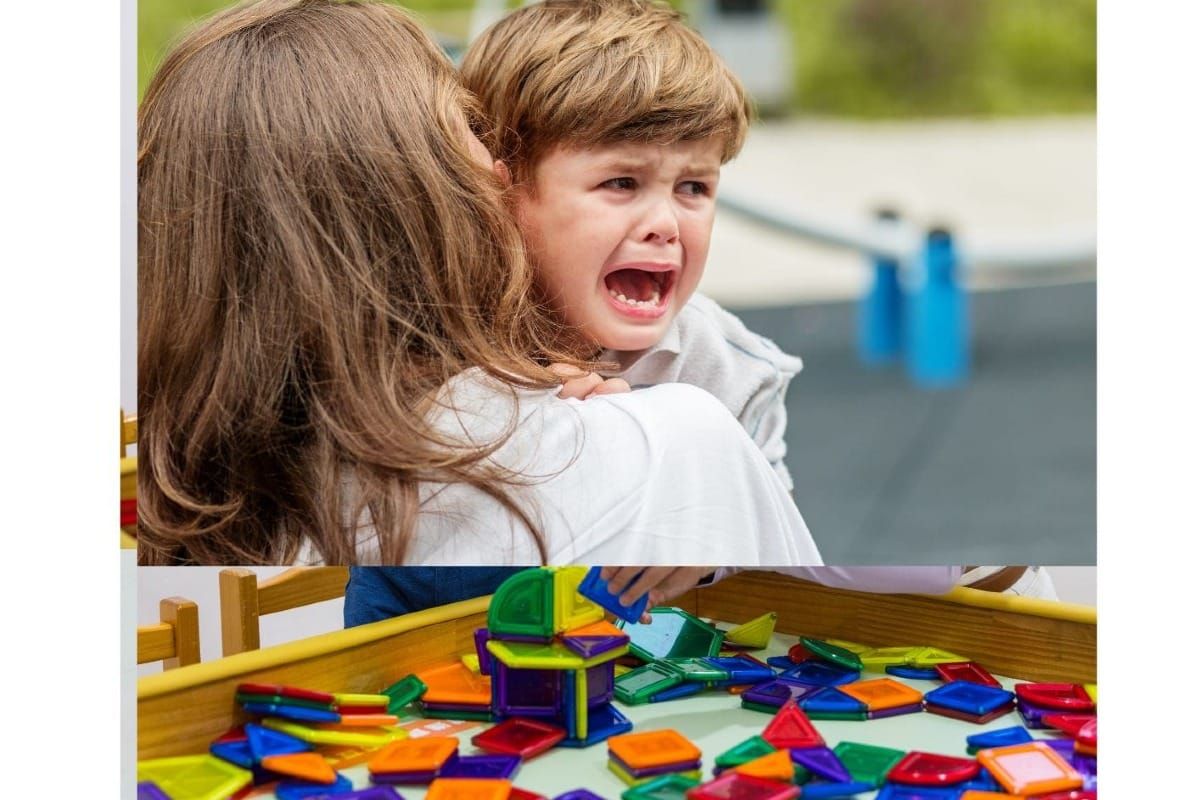
Young children have big feelings in small bodies. One minute they are laughing; the next they may be crying, shouting, grabbing a toy, or throwing themselves on the floor. These moments can feel confusing, exhausting, and embarrassing. But often, what looks like misbehaviour is expression.
Four-year-old Marcus is building a sandcastle. His little sister bumps into it, and within seconds he is screaming, arms flailing. His mother's first instinct? Stop that right now.
Seven-year-old Amara does not want to leave the playground. When her dad says it is time to go, she stamps her foot, says, "You're the worst daddy ever," then runs toward the street. Frightened, he scoops her into the car.
Here is what both parents need to understand: their child is not bad. Their child is human. They may be overwhelmed, tired, or not ready for the fun to end. Expression is information. It tells us what a child may be feeling, needing, or still learning.
Feelings Are Always Acceptable. Not All Actions Are.
Young children are still learning how to manage strong emotions. They need adults to teach them calmly and repeatedly.
One of the most helpful shifts a parent can make is learning to separate the feeling from the behaviour.
A child will be allowed to feel angry. But will not be allowed to hit. A child will be allowed to feel disappointed. But will not be allowed to throw a toy.
These are very different things, and parent and child need us to deal with both at the same time.
When we label every outburst as misbehaviour, we may accidentally send children the message that their feelings are wrong. Some children shut down. Others escalate because they want to be understood.
A helpful rule of thumb is: expression is about feeling; misbehaviour is about action. Be gentle on feelings and firm on behaviour. That teaches children: my feelings are welcome, but not all of my actions are acceptable.
Helping Children Express Anger Safely
Anger is not a bad feeling. It is a normal human emotion. Children may feel angry when tired, hungry, disappointed, overstimulated, or unable to do what they want. Our job is not to eliminate anger; it is to help children express it safely.
In the cases of Marcus and Amara, try saying:
"I can see you are really frustrated. I will not let you hit. You can stomp your feet instead."
"You worked hard on that tower, and it fell. That is disappointing. Let's take a breath and decide what to do next."
"You really wanted more time at the park. You may be upset, but running into the street is dangerous. Tell Dad what you would like to do."
These responses name the feeling, set a clear boundary, and teach a safer way to express emotion.
Simple outlets such as stomping, squeezing a pillow, drawing mad feelings, or taking deep breaths give the body somewhere to send that surge of emotion. Children need repeated practice, but each calm, firm response builds lasting emotional skills.
Encouraging Empathy Through Expression
Expression is not only about helping children say what they feel. It is also about helping them notice others' feelings. Empathy begins in small ways: a toddler patting a crying friend, or a preschooler saying, "He's sad because his Mommy left." These moments grow when adults connect feelings with actions.
Children learn empathy best when they experience it. When we respond with calmness and care, they gradually learn to offer that same care to others. A child who is comforted learns to comfort. Empathy grows slowly through everyday moments, whenever we respond with patience rather than punishment.
Try This: The "Feelings + Actions" Check-In
At the end of the day, sit with your child and ask two simple questions:
"What was a big feeling you had today?"
"What did you do with that feeling?"
There are no wrong answers. The purpose is to make feelings an everyday topic, something talked about, not hidden. Over time, this builds emotional vocabulary and the self-awareness that children need to express themselves safely and respectfully.
A Note for Parents
When children express themselves in challenging ways, it can be difficult for adults too. You may feel embarrassed, worried, or tired. That is understandable. But every challenging moment is also a teaching moment. It tells us what a child is feeling, needing, or still learning.
Expression is not misbehaviour. Expression is information. When you guide your child through anger, disappointment, and frustration, you are building emotional health, teaching communication, and strengthening your relationship.
As we end the E -- Engagement and Expression pillar of the GREATEST Roadmap, let us remember that children speak in many ways: through words, gestures, play, tears, silence, laughter, and sometimes big unexpected emotional outbursts.
Our role is to listen, guide, set limits, and teach safer, kinder ways to express what is inside.
In the next post, we will move into the A -- Active Learning pillar, where we will explore how children learn through curiosity, exploration, mistakes, problem-solving, and joyful discovery.
Reference
Morales-Hidalgo, P., et al. (2026). Parenting intervention programs supporting social–emotional development in preschool children: A literature review. Social Sciences, 6(1), 17. https://doi.org/10.3390/socsci6010017