Free Play or Intentional Play? Why Children Need Both
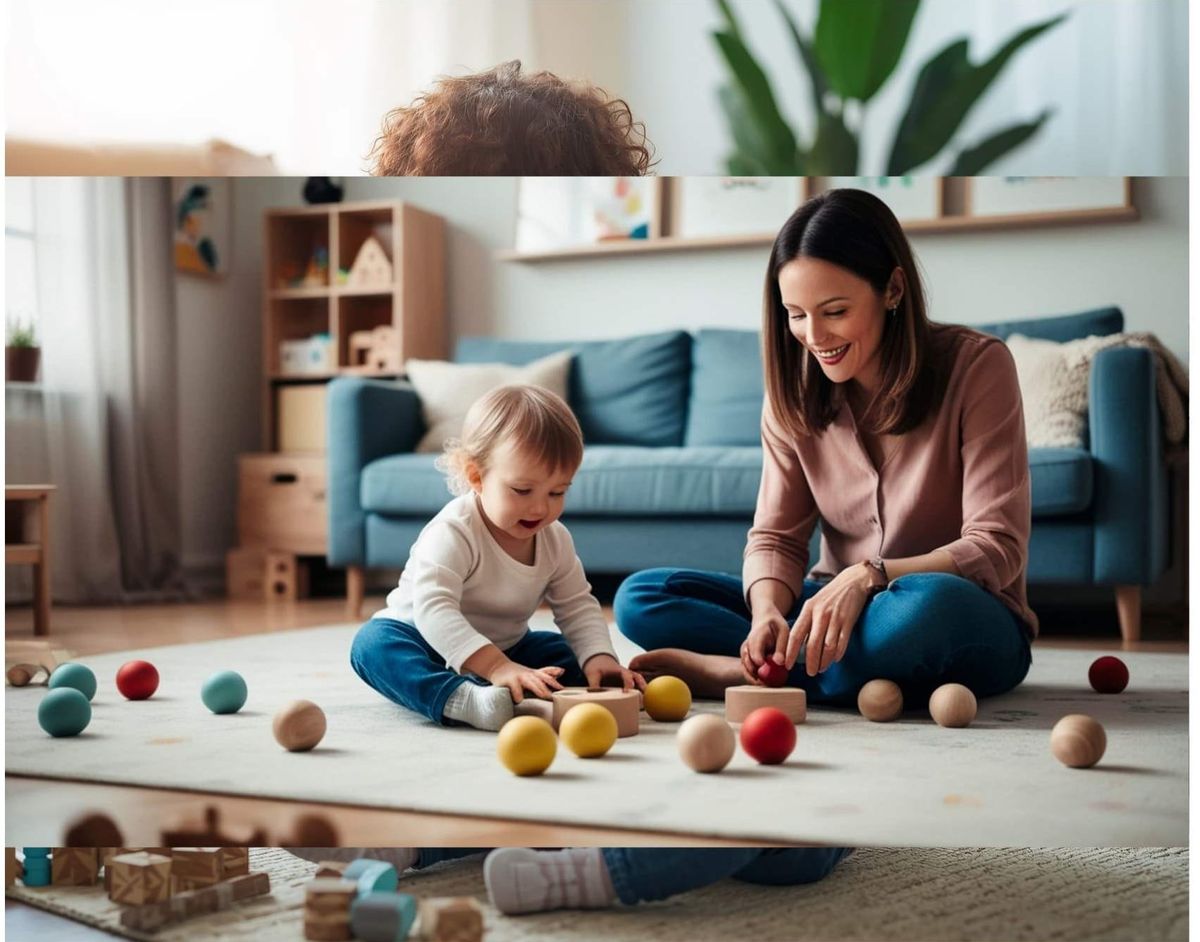
In the G pillar of the GREATEST Parenting Roadmap, we introduced parents to a simple but powerful idea: children grow through play. Now, under the A pillar, Active Learning, we can look more closely at what play looks like in everyday family life.
Sometimes children need room to explore freely, without adults stepping in too quickly. At other times, they benefit from a caring adult who joins the play and gently helps them stretch their thinking. Both kinds of play matter.
The two broad categories every parent should know are free play and intentional play, sometimes called guided, purposeful, or adult-supported play. Knowing when to step back and when to step in is a practical parenting tool.
Let Us Begin with Free Play
Free play has no script. The child chooses the activity, sets the rules, and decides when to end. A cardboard box becomes a bus, then a shop, then a cave, then a bed for a teddy bear. To an adult, this may look random. To the child, it makes perfect sense.
Free play gives children ownership. A child who decides that all the dolls are going to a birthday party may be organising ideas, assigning roles, using language, and working through feelings.
Three-year-old Maya is sitting with plastic cups, stones, leaves, and her teddies. She places one leaf in each cup and says, “This is soup for the babies.” Her father is tempted to correct her. Instead, he pauses. Maya adds stones and says, “Too hot!” Then she blows on the cup and feeds a teddy. In that small moment, Maya is using imagination, sequencing, memory, language, and care. All she needs is time.
Free play also allows children to practise self-control. In pretend worlds, children make rules and try to follow them: “You be the doctor.” “No, the baby has to sleep first.” These little negotiations build patience, flexibility, cooperation, and problem-solving.
Now, Let Us Look at Intentional Play
Intentional play is also called guided play. It sits between free play and formal instruction. A parent or caregiver may set up the environment or gently nudge the activity toward a specific goal, but the child still has room to lead. Instead of directly teaching a skill, the adult asks an open-ended question, offers a prompt, or arranges materials to encourage discovery.
Intentional play is still play, but an adult gently adds purpose. This does not mean taking over. It means noticing what the child is interested in and adding a small question, idea, word, or challenge that helps the child think further.
For example, your child is pretending to cook. You might say, “I would like two bananas and one cup of tea, please.” Now the child is practising listening, counting, memory, and social language while still enjoying the play.
Marcus, age five, is sorting buttons by colour. His mother asks, “I wonder if there is another way we could sort these besides colour?” Marcus pauses, then starts grouping them by size. She prompted the thinking, but the discovery was his.
Intentional play keeps the joy of play intact while the adult points the child toward a skill, such as vocabulary, shape recognition, number sense, or flexible thinking.
Which Type Is Better?
Free play and intentional play are not competitors. Research suggests that both can be used at different times and for different developmental goals.
A 2022 review by Skene and colleagues found that guided play can strengthen vocabulary, early math, shape knowledge, and flexible thinking. Free, child-directed play also matters. A large Australian study found that unstructured play supports children’s later self-regulation, problem-solving, and emotional development. Guided play helps children learn targeted skills, while free play builds deeper abilities for lifelong learning.
Guidelines for Parents
There is a big difference between saying, “No, that is not how you build a house,” and saying, “I wonder what would happen if we used the bigger block at the bottom?” One shuts down thinking; the other opens it up.
Step back when your child is focused, creative, solving a problem, or deeply involved in pretend play. If your child is happily turning a towel into a superhero cape, your quiet presence may be enough. Let free play stay free.
Step in gently when your child seems stuck, frustrated, unsafe, or ready for interaction. You might say, “That tower keeps falling. What else could we try?”
The aim is not to rescue too quickly. Children learn persistence when they have time to try, fail, think, and try again. When you want to nudge a skill along, ask an open-ended question rather than answering.
A Simple Parent Activity
This week, track your child’s play for one day using two columns: “Child-led” and “Adult-shaped.” At day’s end, notice the balance. You do not need a perfect 50/50 split, but the exercise can reveal whether the day leans too heavily toward one style.
You can also play the “Step Back or Step In” game. Before speaking, ask: Is my child deeply engaged? Is my child solving a problem? Is my child frustrated but still trying? Would my words help the play grow, or interrupt it?
When you do step in, try asking: “What are you planning next?” “What could we try?” “Tell me about what is happening.” “I wonder what would happen if…”
When parents learn when to step back and when to step in, play becomes a growth partnership built on curiosity, confidence, and connection.
References
Colliver, Y., Harrison, L. J., Brown, J. E., & Humburg, P. (2022). Free play predicts self-regulation years later: Longitudinal evidence from a large Australian sample of toddlers and preschoolers. Early Childhood Research Quarterly, 59, 148–161. https://doi.org/10.1016/j.ecresq.2021.11.011
Skene, K., O'Farrelly, C. M., Byrne, E. M., Kirby, N., Stevens, E. C., & Ramchandani, P. G. (2022). Can guidance during play enhance children's learning and development in educational contexts? A systematic review and meta-analysis. Child Development, 93(4), 1162–1180. https://doi.org/10.1111/cdev.13730