From “I Can Do It!” to “We Can Do It!” Raising Capable, Confident, and Caring Children
Purposeful Parenting: The GREATEST Roadmap
Have you ever watched your child proudly announce, “I did it all by myself!”? Perhaps it was putting on shoes, completing a puzzle, or pouring a drink without spilling. That little smile of achievement tells us something important: your child is growing!
Throughout our journey under E – Encouraging Independence & Resilience, we have explored how giving children choices, allowing them to do things for themselves, encouraging manageable challenges, and helping them cope with disappointments, as we support their development.
Together, these experiences nurture five important qualities:
Independence → Responsibility → Perseverance → Confidence → Resilience
These qualities do not develop in a fixed order. They grow together, strengthening one another through everyday experiences and loving support.
Let's explore how they connect.
1. Independence: “Let Me Try!”
Independence begins when children are given opportunities to make choices and attempt things for themselves.
A toddler wants to hold a spoon. A preschooler insists on choosing clothes. A six-year-old wants to pack a schoolbag.
These are opportunities for children to discover their abilities.
Our challenge as parents is to know when to help and when to step back.
Instead of immediately taking over, try asking, “Would you like to try first?”
Remember, independence does not mean leaving children to struggle alone. It means allowing them to learn while remaining available when needed.
2. Responsibility: “I Can Do My Part!”
As children become more independent, they can gradually take responsibility for their actions and belongings.
Putting toys away, helping to set the table, or caring for school materials teaches children that they have something valuable to contribute.
Responsibility also means understanding that our actions affect others.
When a child spills juice, instead of scolding, we might say, “Accidents happen. Let's get a cloth and clean it up.”
The message is simple: Mistakes can be corrected, and everyone can contribute.
3. Perseverance: “I'll Try Again!”
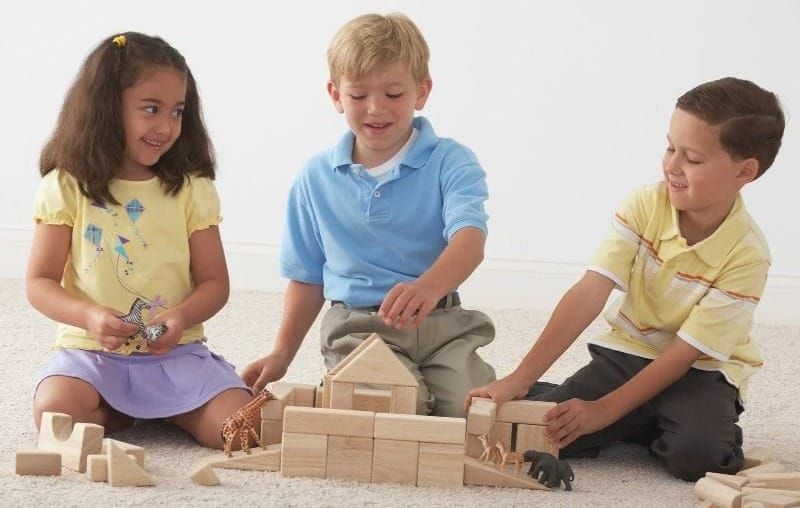
Not everything works the first time. A block tower collapses, a puzzle piece refuses to fit, or a shoelace remains untied.
These frustrating moments offer opportunities to develop perseverance—the willingness to keep trying despite difficulties.
Instead of saying, “Let me do it,” try asking, “That looks difficult. What else could you try?”
A 2024 study by Jeon and Park found that preschoolers persisted longer with a frustrating task when adults acknowledged their feelings.
This reminds us that children sometimes need understanding before encouragement.
Saying, “I can see you're frustrated. Let's think about what might help,” supports their feelings and willingness to continue.
Perseverance grows when children feel supported, not pressured.
4. Confidence: “I Know I Can Learn!”
Confidence develops through experience, not praise alone.
When children make decisions, practise skills, and overcome challenges, they discover their growing abilities.
A child who learns to button a shirt after several attempts experiences something more meaningful than simply hearing, “You're so clever!”
The child discovers, “I worked hard, and I learned!”
We can strengthen confidence by noticing effort and improvement.
Try saying, “You kept practising until you figured it out!”
Confidence is not believing everything will be easy. It is knowing, “Even when something is difficult, I can improve.”
5. Resilience: “I Can Handle This!”
Resilience is the developing ability to cope with difficulties, recover from disappointments, and move forward with appropriate support.
When a child loses a game, our immediate instinct may be to remove the disappointment. However, children also need opportunities to experience manageable setbacks.
We can acknowledge their feelings while helping them consider what to do next.
“It's disappointing when things don't work out. Would you like to talk about what happened?”
Resilience does not mean children never cry, become upset, or need help. It means gradually learning that difficult feelings and setbacks can be managed with caring support.
Five Qualities Working Together
An Everyday Situation.
Five-year-old Daniel wants to grow a plant.
His mother allows him to choose seeds and fill a pot with soil (independence).
Daniel agrees to water the plant regularly (responsibility).
When nothing appears after several days, his mother encourages him to continue caring for it (perseverance).
Eventually, a green shoot appears. Daniel proudly announces, “I grew it!” (confidence).
Unfortunately, heavy rain later damages his plant. Although disappointed, Daniel decides, with encouragement, to plant again (resilience).
One simple activity has provided opportunities to practise all five qualities.
Growing Strong Is Only Part of the Story
But children do not grow up alone. They belong to families, classrooms, playgrounds, and communities.
As they become more independent, confident, and resilient, they must also learn how to get along with others.
Four-year-old Mary is playing school with some of her dolls when her two-year-old sister reaches for one.
“That's mine!” Mary protests.
Their father gently asks, “You both want that doll. How can we work this out?”
With guidance, Mary agrees to let her sister use the doll while she chooses another.
Mary is discovering that independence does not mean always getting her own way. She is learning to consider another person's needs while expressing her own.
This is where personal development connects with social development.
From Personal Strength to Positive Relationships
Research supports this important connection.
A 2025 study by Lucas-Nihei and colleagues found that warm parent-child relationships and children's ability to regulate their behaviour were associated with greater acceptance by their peers.
In simple terms, children who experience caring relationships and develop self-control may be better prepared to build friendships.
However, independence and resilience do not automatically produce social skills. Children also need opportunities to practise sharing, cooperating, understanding feelings, and resolving disagreements.
Helping Children Make the Connection
Parents can encourage these skills through everyday interactions:
- Give choices with boundaries: “You may choose a game, but everyone must have a turn.”
- Encourage responsibility: “Let's help your sister put away the toys.”
- Support cooperation: “How can you solve this problem together?”
- Model kindness: Let children see you listening, helping, and apologising.
- Guide behaviour: “I understand you're angry, but hitting hurts. Let's find another way.”
Remember, social skills develop gradually, with patience, practice, and guidance.
Your GREATEST Challenge This Week
One Small Step, One Kind Step
Encourage your child to practise two things:
One independent step: Try something with less help.
One kind step: Help someone, take turns, or cooperate.
Ask: “What did you try today? How did you show kindness?”
Celebrate effort, not perfection!
From “I Can” to “We Can”
As we conclude this second E, remember that raising independent and resilient children does not mean expecting them to manage everything alone.
We want children who have the confidence to try, the responsibility to contribute, the perseverance to continue, and the resilience to recover.
But we also want them to build caring, respectful relationships.
As children discover the joy of saying, “I can do it!”, we can help them discover another powerful message:
“We can do it together!”
This brings us to our next pillar:
S – Social Skills to Successfully Navigate Relationships
From sharing toys and taking turns to showing empathy, resolving disagreements, and developing friendships, social learning begins early.
In our upcoming posts, we will explore how parents can help children develop these essential skills.
After all, raising capable children is important. Raising capable, confident, and caring children is even better!
References
1. Jeon, J., & Park, D. (2024). Your feelings are reasonable: Emotional validation promotes persistence among preschoolers. Developmental Science, 27(5), e13523. https://doi.org/10.1111/desc.13523
2. Lucas-Nihei, J. N., Hund, A. M., & Hesson-McInnis, M. S. (2025). Does self-regulation mediate the relation between parent–child relationships and peer acceptance during early childhood? Journal of Experimental Child Psychology, 251, 106134. https://doi.org/10.1016/j.jecp.2024.106134