Mine! Helping Your Child Learn to Share
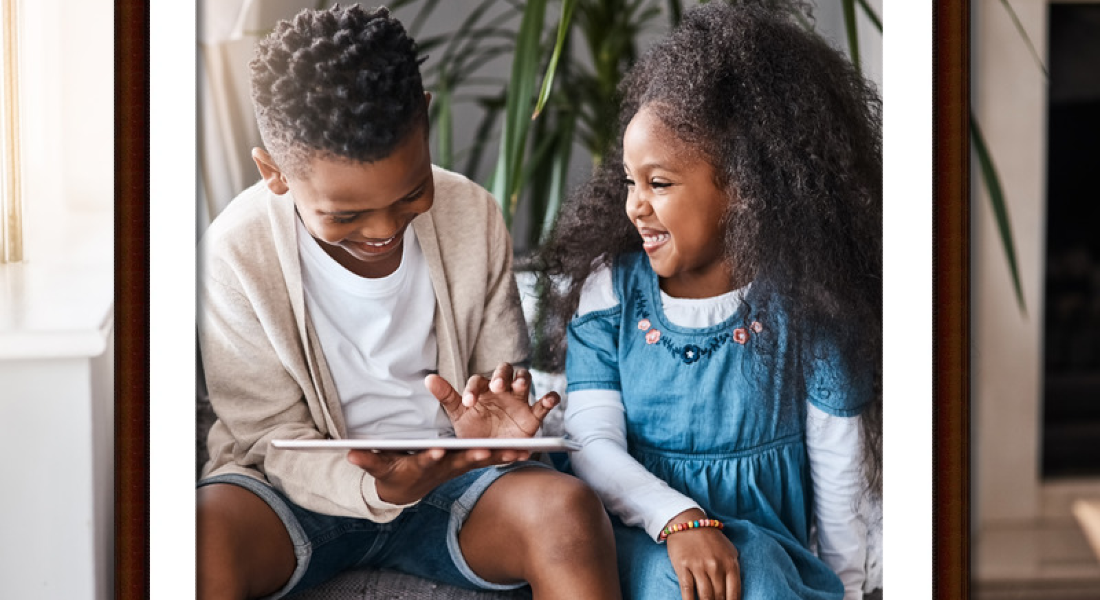
“Mine!” One small word can turn a fun playdate into tears and tugging. Before you know it, you are saying, “Come on, you have to share!” Why is sharing so hard, even when children know what we expect?
In our first post under S in the GREATEST Parenting Roadmap, we explored how social skills begin at home. Sharing gives children a chance to practise those skills. To hand over a favourite truck, a child must manage their frustration, trust that the truck will come back and wait while someone else enjoys it. That is a lot to ask of a toddler.
Why letting go can be hard.
To an adult, lending a truck seems simple. To a toddler, handing it over can feel like losing it. “You’ll get it back soon” may offer little reassurance when a minute feels like forever.
Sharing also takes different forms. Children can use crayons together, take turns with a truck or make room for someone at the table. A child who happily offers you a biscuit might still struggle to lend a favourite toy. When your child holds on tight, start with what they can manage, such as putting a few crayons in the middle for both children to use.
What can we expect at different ages?
Toddlers (about 1–3 years). A toddler may offer you a toy and want it back moments later. Stay close and direct short turns together.
Preschoolers (about 3–5 years). Children can begin to talk about turns and suggest simple solutions. They may still need your help when both children want the same toy.
Children in the early school years (about 6–8 years). Invite them to suggest a fair plan. They can often agree on who goes first and when to switch, with a little help when feelings run high.
In a sticker-sharing study, Smith and colleagues (2013) found that even three- and four-year-olds said it was fair to split the stickers equally. When children got to decide how many of their own stickers to give away, the seven- and eight-year-olds were more likely than the younger children to split equally.
From playing alone to playing together
In 1932, Mildred Parten described six ways children participate in play, including watching others and spending time unoccupied. Four of her categories can help us decide when to step in. The approximate age ranges below come from Ireland’s Health Service Executive (2026).
Solitary play (from infancy, common in the first two years). A child plays alone, filling and emptying a basket of blocks. You can stay nearby and let them explore at their own pace.
Parallel play (about 2–3 years). Two children play side by side with similar toys with little or no interaction. Offer similar materials so each child has enough to play with.
Associative play (about 3–5 years). Children talk and use the same materials, but each has their own idea of what to make or do. You can help them ask for a turn or share the material.
Cooperative play (about 4–6 years). Children work towards a shared goal, such as building one long road for their toy cars. Give them time to work out who does what, and you can step in if they need help.
These age ranges overlap. A child might build alone, watch a friend, and then join in, all during the same visit. If two toddlers are happily playing side by side, give them enough materials to keep going. When they begin reaching for the same pieces, help them ask for a turn. Later, if they decide to build something together, let them work out who does what while you stay close enough to help.
Two children and one truck
Two-year-old Jayden is rolling a truck when his cousin Jason grabs it. Jayden screams and pulls back. Jayden’s father gently stops the grabbing. “Jayden is using it. You want a turn, Jason. I will help you wait.”
He offers Jason another vehicle and stays nearby. Since the truck is for both children to use, he makes a plan for them to follow. “Jayden, one more trip to the garage. Then it is Jason’s turn.” He helps them switch when the truck reaches the garage.
The treasured teddy
Four-year-old Maria refuses to let a visiting friend hold her bedtime teddy. Before the next visit, her mother asks, “Which special things would you like to put away? What could you and your friend play with?”
Maria puts her teddy on a shelf and brings out the blocks. Deciding ahead of time gives her a say in what happens to her teddy and lets her choose something she is happy to share.
How to encourage sharing
Show what sharing looks like. Move your paper over and say, “There’s room for your drawing beside mine.”
Give your child words to use. Try “Can I have a turn?” and “I’m still using it.” A gesture, such as pointing to the toy and then to themselves, works too.
Notice what their action made possible. “You passed him some blocks. Now you both have enough to build.”
Make waiting predictable. “I am helping your sister wash her hands. Then I will look at your drawing.” Follow through so your child can count on their turn.
In a study by Wu and colleagues (2017), preschoolers who shared showed more signs of happiness when giving away some of their own stickers than when putting stickers aside for themselves. The researchers found no clear difference when children were told the stickers belonged to both of them. At home, you can guide fair turns with toys everyone uses and give your child chances to offer something of their own.
Your GREATEST Challenge This Week
Pick one calm moment each day to practise taking turns. Roll a ball back and forth or take turns adding a block to a tower. Say, “My turn, your turn.” Keep the wait short and notice and affirm any small success.
Sources
Health Service Executive. (2026, August 11). Stages of play. https://www2.hse.ie/babies-children/play/stages/
Parten, M. B. (1932). Social participation among pre-school children. The Journal of Abnormal and Social Psychology, 27(3), 243–269. https://doi.org/10.1037/h0074524
Smith, C. E., Blake, P. R., & Harris, P. L. (2013). I should but I will not: Why young children endorse norms of fair sharing but do not follow them. PLOS ONE, 8(3), Article e59510. https://doi.org/10.1371/journal.pone.0059510
Wu, Z., Zhang, Z., Guo, R., & Gros-Louis, J. (2017). Motivation counts: Autonomous, but not obligated sharing promotes happiness in preschoolers. Frontiers in Psychology, 8, Article 867. https://doi.org/10.3389/fpsyg.2017.00867