Understanding How Infants and Toddlers Speak Before They Speak
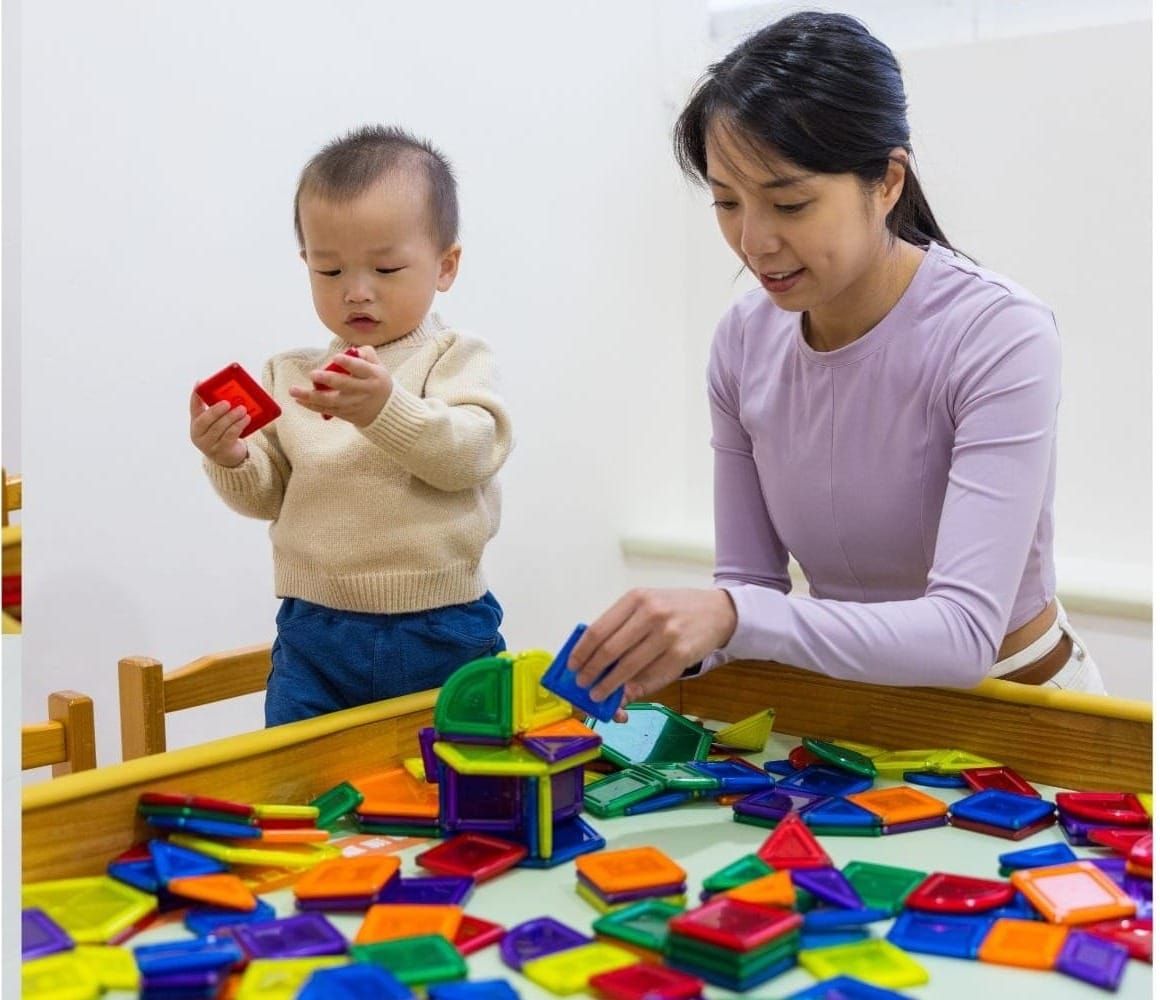
Before a baby ever says “Mama,” “Dada,” or “more,” that child has already been communicating for months. Infants and toddlers communicate through cries, body movements, facial expressions, eye contact, gestures, sounds, reaching, clinging, refusing, laughing, and even falling apart. The language of infants and toddlers is not always made of words, but it is always full of meaning.
In the GREATEST Parenting Roadmap, E stands for Engagement and Expression. This reminds us that young children do not simply receive care; they actively engage with the people and world around them. From the earliest days, babies watch, listen, respond, and express themselves. The parents’ role is not only to talk to the child, but also to learn how the child is already “talking” back.
Babies Speak with Their Whole Bodies
Infants begin life with body language. A newborn cries when hungry, uncomfortable, tired, or in need of closeness. Over time, parents often learn to distinguish among a hungry cry, a tired cry, and a cry that says, “I need you now.” A baby may turn her head away when overstimulated, stiffen when uncomfortable, relax when held securely, or kick with excitement when a familiar face appears.
Imagine a four-month-old lying on an activity mat. She happily bats at toys for a while, then suddenly looks away, grows quiet, and disengages. To an adult, this might look like boredom. But the baby may be saying, “That is enough for now.” When a parent notices the signal, picks her up, and offers calm closeness, the baby learns, “My signals matter. Someone understands me.” This level of noticing this nature is called attunement.
Serve and Return: The First Conversation
One of the most important early forms of communication is the simple back-and-forth between a child and an adult, often called serve-and-return interaction. A baby coos, and the parent smiles. A baby reaches, and the parent responds. A baby looks toward a toy, and the adult names it: “You see the ball!” The baby “serves” with a sound, look, gesture, or movement, and the adult “returns” with attention, words, touch, or comfort.¹
These early exchanges are more than sweet moments. They help build the child’s foundation for language, relationships, and emotional security. A baby who is noticed learns that communication has power: “When I reach, someone notices. When I cry, someone comes. When I smile, someone smiles back.”
Toddlers Understand More Than They Can Say
The toddler years bring new challenges. Toddlers are beginning to use words, but their emotional lives are much larger than their vocabulary. A toddler may understand routines, desires, people, and feelings, while still lacking the language and self-control to express them calmly.
This is why toddler communication can seem messy. A toddler may scream when a tablet is turned off, throw herself on the floor when it is time to leave the park, push another child who takes a toy, or shout “No!” when asked to put on shoes. These behaviors are not random. They are often the child’s way of saying, “I am disappointed,” “I wanted control,” “I was not ready,” “I am tired,” or “I do not know how to handle this feeling.”
When adults view behavior as communication, they respond differently. Instead of thinking, “My child is being difficult,” a parent will remain calm and ask, “What is my child trying to communicate?”
Communication, Not Manipulation
Tantrums and meltdowns are among the loudest forms of toddler communication. These may include crying, kicking, screaming, collapsing, stiffening, or refusing to move. For parents, these situations can be exhausting and embarrassing, especially in public. But for the toddler, they often signal that the child’s brain and body are overwhelmed, or that the child is struggling with a powerful desire for independence.²
This does not mean parents should give in to every demand. Loving limits are still necessary. But the tone shifts when we recognize that the behavior stems from distress, frustration, or a need for control rather than from deliberate misbehavior.
For example, two-year-old Jonah screams when his mother turns off the tablet. Instead of saying, “Stop being naughty,” she says, “You are angry because tablet time is over. It is hard to stop.” She moves the tablet away, stays close, and offers, “You can stomp your feet and hold my hand as we go outside for a walk.” The mother sticks to the limit, acknowledges the feeling, and does not abandon Jonah in his storm.
That is emotional teaching. The parent is saying, “Your feeling is real, and I will help you manage it.”
Simple Ways Parents Can Respond
Parents can support infant and toddler communication by observing the situation before reacting. Notice what happened before the behavior. Is the child hungry, tired, overstimulated, frustrated, frightened, or needing connection?
Helpful phrases include:
· “You are reaching for the cup. Do you want water?”
· “You turned your head away. I think you need a break.”
· “You are crying because you want to stay, but we have to leave.”
· “You do not want shoes, but we still need to go. I will help you put them on.”
These simple words do two things. First, they help the child feel understood. Second, they give the child language for future expression. Over time, tantrum and meltdown language slowly becomes word language. Early gestures and nonverbal signals are also vital for later language learning, making these early everyday responses even more important.³
Listening with More Than Your Ears
Infants and toddlers are communicating all day long, but parents must listen with their eyes and hearts and be patient. When they do, children learn that expression is safe.
Before young children can manage their feelings and use words effectively, they need adults to notice and interpret them kindly. Through repeated experiences of being heard by adults, they learn to express themselves with confidence.
Every coo, reach, cry, “No,” and tantrum carries a message. The loving parent’s task is not to perfectly understand every time, but to keep asking: “What is my child trying to tell me?” Because before words, there is meaning.
Footnotes
1. Center on the Developing Child at Harvard University, “Serve and Return.” Responsive adult-child interactions help strengthen brain connections related to communication, emotional development, and social skills.
2. Potegal, M., Kosorok, M. R., & Davidson, R. J. “Temper Tantrums in Young Children: Behavioral Composition.” Journal of Developmental & Behavioral Pediatrics, 2003.
3. Rowe, M. L., & Goldin-Meadow, S. “Early Gesture Selectively Predicts Later Language Learning.” Developmental Science, 12, 182–187. The study found that early gestures are connected to later language development.